What is an Ethereum testnet?
Ethereum testnets in 2026, including Sepolia, Hoodi, Ephemery, local forks, L2 testnets, and when old tutorials are pointing you at dead networks.
When you’re building on Ethereum, you don’t want your first experiment to cost real money or accidentally lock real funds forever. That’s what testnets are for: Ethereum-like networks where the ETH has no real value, but the rules behave close enough to mainnet that you can safely test deployments and integrations.
If you’re new to this stuff, it helps to first read a general intro to cryptocurrency and how a blockchain works. Also: you’ll need a wallet to interact with any network.
What is a testnet?
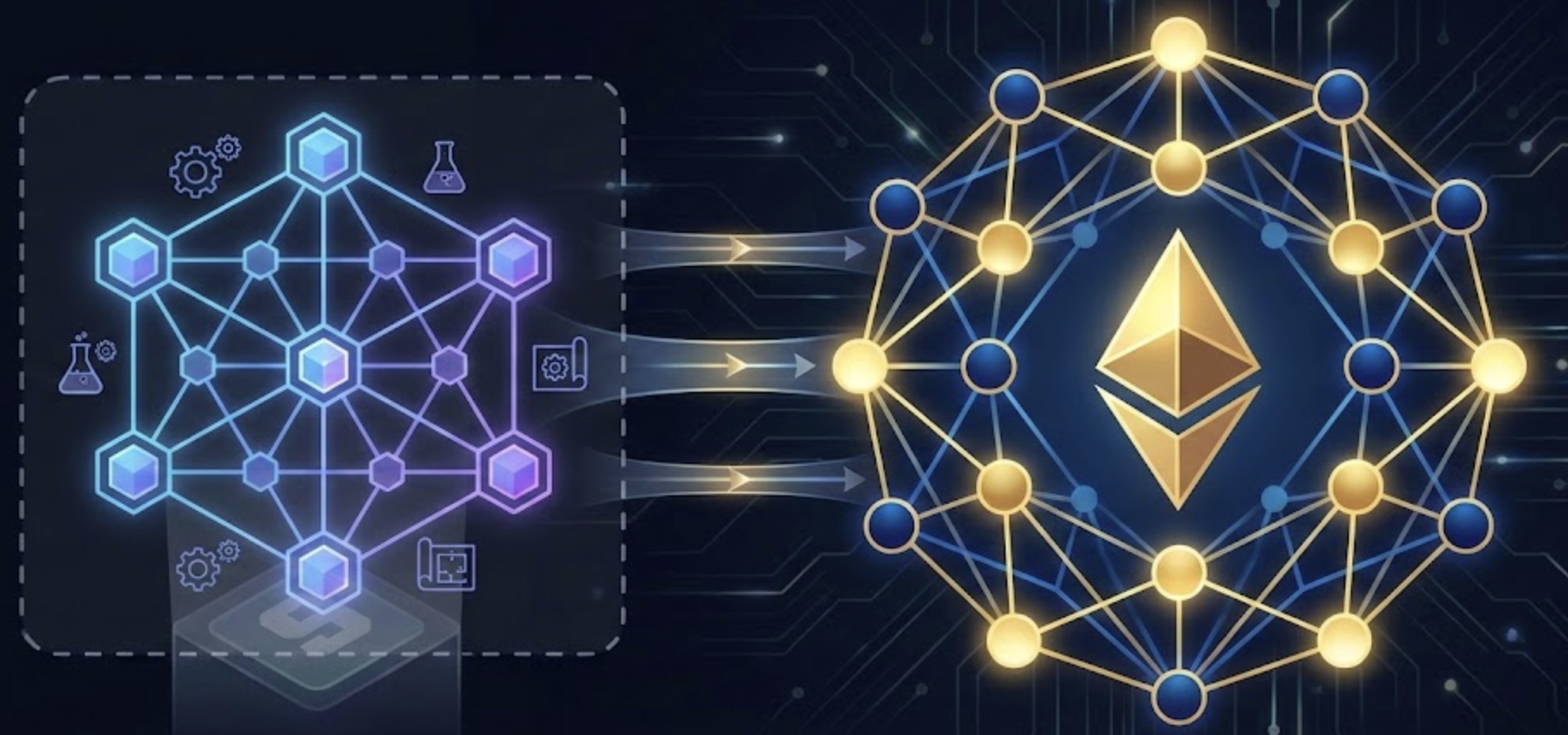
A testnet is a separate Ethereum network that follows the Ethereum protocol, but is isolated from mainnet.
That means:
- Your Ethereum account (private key) can be used on testnets
- Your balances and transaction history do not carry over
- Testnet ETH is typically obtained from faucets (free distribution sites)
- You still pay gas - just with valueless ETH
Ethereum’s own developer docs describe testnets as a production-like environment for testing contracts and protocol upgrades before mainnet deployment (ethereum.org Networks docs).
The public Ethereum testnets you should care about in 2026
Ethereum rotates testnets over time because testnets accumulate “junk state” and become expensive to run. As of May 2026, Ethereum’s docs list Sepolia and Hoodi as the maintained public testnets, with Ephemery as a monthly-reset network for short-lived experiments:
Sepolia (recommended for smart contracts and apps)
Sepolia is the default testnet for dapp + smart contract development. It uses a permissioned validator set run by client/testing teams, which keeps it stable and easy to maintain (ethereum.org: Sepolia).
Typical use cases:
- deploy and test smart contracts before mainnet
- test frontends / wallets / integrations
- staging environment for app releases
Faucets and explorers are linked from Ethereum’s official networks page (ethereum.org Networks docs).
Hoodi (validator + staking + protocol upgrade testing)
Hoodi is the public testnet meant for staking operators, infrastructure providers, and protocol testing. It has an open validator set and larger state, so it’s “more mainnet-like” but heavier to run (ethereum.org: Hoodi). It was introduced during the transition away from Holesky (Ethereum Foundation: “Holesky and Hoodi Testnet Updates”).
If you’re “just deploying contracts”, use Sepolia. If you’re running validators or testing protocol-level changes, use Hoodi.
Ephemery (optional, resets monthly)
Ephemery is a special case: it resets back to genesis every ~28 days, making it useful for quick experiments and fast bootstrapping, not long-running deployments (ethereum.org: Ephemery).
Local testnets (the fastest way to build)
Public testnets are great, but they’re still shared infrastructure. For fast iteration, you usually run a local Ethereum node on your machine.
The modern “default choices” in 2026:
- Anvil (Foundry) — “a fast local Ethereum development node” (Foundry Anvil docs)
- Hardhat Network — a local dev node built into Hardhat (Hardhat Network docs)
Older tooling like Ganache exists, but Consensys announced the sunset of Truffle and Ganache and recommends migrating to actively maintained tooling (Consensys announcement).
The useful trick is forking. Tools like Anvil and Hardhat can start a local chain from the current state of Ethereum mainnet or an L2. You can test against real contracts and balances locally, with unlocked test accounts, without spending real funds or touching production state.
Decommissioned testnets (quick history, don’t use)
If you see tutorials referencing these, assume they are outdated:
- Holesky — deprecated in 2025; stakers should use Hoodi (ethereum.org notes Holesky deprecated, and the Holesky shutdown announcement)
- Goerli — long-term support ended around 2024; ecosystem providers shut down infra (see Ethereum Foundation Goerli LTS update)
- Ropsten / Rinkeby / Kiln — deprecated to focus on fewer long-lived testnets (Ethereum Foundation deprecation announcement)
- Kovan (Parity/OpenEthereum-era PoA testnet) and Morden (very early testnet) — historical
A note about Layer 2 testnets
Most L2s run their own testnets, often anchored to Ethereum testnets.
Examples:
- Polygon PoS launched Amoy as a Sepolia-anchored testnet as Mumbai (Goerli-anchored) was phased out (Polygon announcement).
- Base uses Base Sepolia for test deployments (Base docs).
Each chain will have docs about their testnets, so refer to those if you need them. Even so, our recommendation is to just use Foundry's Anvil on any production chain - even L2s.
Practical “how do I use this?” checklist
- Create a wallet (MetaMask, Rabby, hardware wallet, etc.)
- Select Sepolia (for app testing) or Hoodi (for validator/protocol testing) in your wallet. You can add them to your wallet's settings via chainlist.org.
- Get test ETH from a faucet (Ethereum’s docs list multiple options for both networks: Networks page)
- Deploy your contract using your toolchain (Foundry/Hardhat/etc.)
- Verify transactions on an explorer (Etherscan/Otterscan/Blockscout links are on the same Ethereum Networks page)
If a tutorial tells you to use Ropsten, Rinkeby, or Goerli, treat it as historical material and check the current network docs before deploying anything.