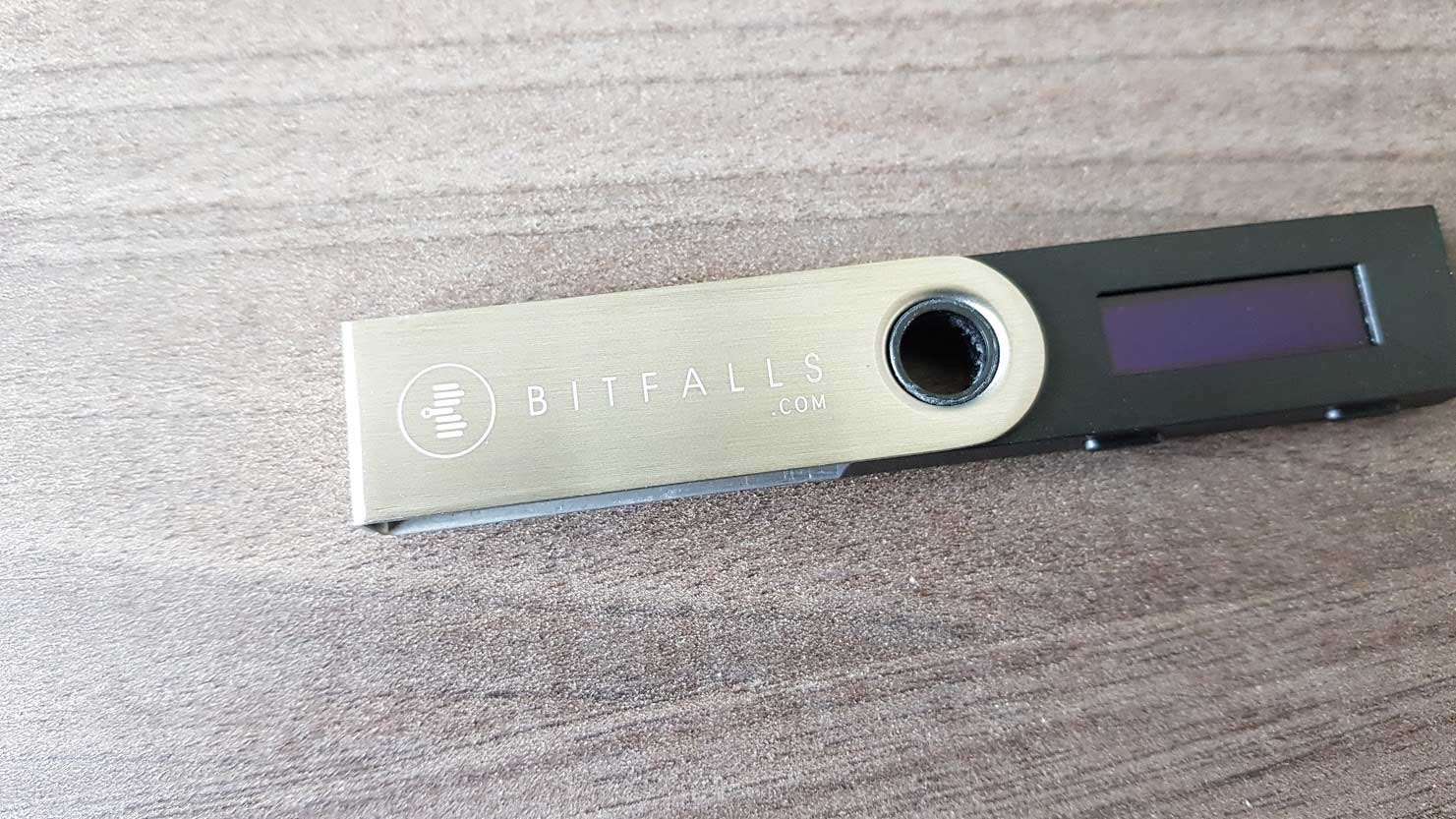
How do hardware wallets work?
How hardware wallets generate, protect, and restore private keys, including BIP-39 seed phrases, passphrases, and realistic recovery risks.
One of the first questions newcomers ask is how a hardware wallet like a Ledger or Trezor can be safer than a normal app wallet.
What if the device gets stolen? What if it breaks or gets destroyed?
In this post, we’ll explain how hardware wallets work in a technical but human-readable way, and why recovery phrase handling matters more than the physical device.
Before continuing, it’s recommended you read a short introduction to cryptocurrency wallets so the terminology used here is easier to follow.
BIPs (Bitcoin Improvement Proposals)
When the blockchain first appeared as the technology behind Bitcoin, developers needed a structured way to propose changes and improvements to the system.
These proposals were called Bitcoin Improvement Proposals, or BIPs.
Each BIP:
- Describes a specific technical idea or standard
- Is publicly discussed
- Can be adopted, rejected, or modified by the ecosystem
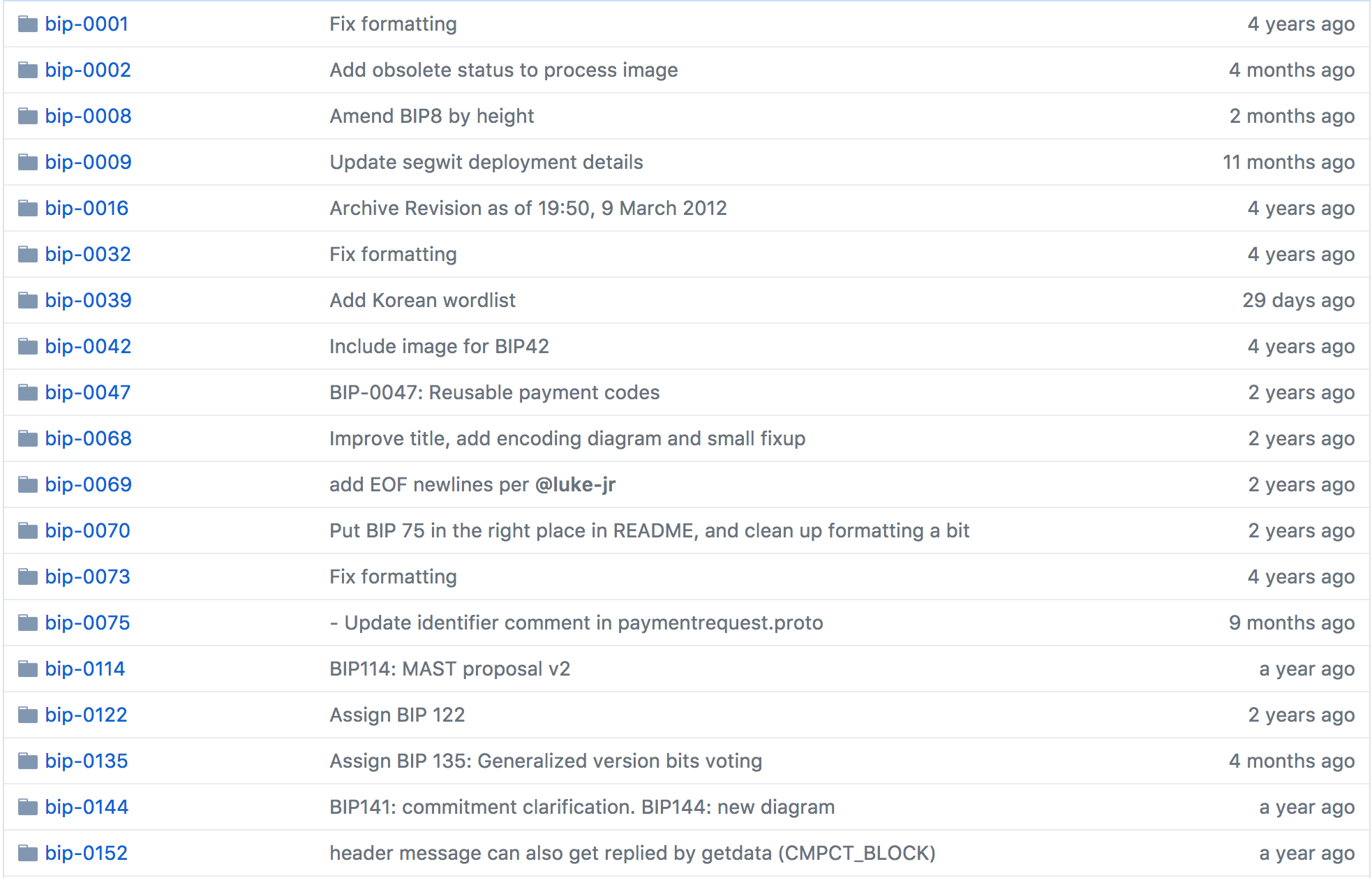
This open proposal process proved so useful that many other blockchains adopted the same ideas and standards.
BIP-39: human-readable backup
One particularly important proposal is BIP-39.
BIP-39 defines how a large random number (called a seed) can be represented as a list of 24 simple words. These words are much easier for humans to write down and store safely than a long string of random characters.
Those 24 words are not the keys themselves. They are a backup representation of the seed from which all keys are mathematically derived.
Curiosity: BIP-39 uses a fixed list of 2048 words. You can view these lists online if you’re curious.
BIP-39 also allows an optional passphrase, sometimes called a “25th word”.
- If no passphrase is used, an empty one is assumed
- Any passphrase + the same 24 words produces a different seed
Important difference from passwords: There is no “wrong passphrase” error. Every passphrase creates a valid but different wallet.
This property enables something called plausible deniability, which we’ll explain later.
From seed to wallets (BIP-32)
The seed generated from your 24 words is used to derive a root key.
Each blockchain has its own rules for deriving keys from that seed. For Bitcoin, this process is defined in BIP-32.
The root key then deterministically generates:
- Many private keys
- Many public keys
- Many addresses
All from the same original seed.
In other words:
One seed → many wallets → always reproducible
Confused?

Here’s the simplified takeaway:
- BIP-39 turns randomness into 24 readable words
- BIP-32 turns that seed into an unlimited number of wallets
- The same words always regenerate the same wallets
So where does a hardware wallet fit into all this?
How a Ledger hardware wallet works
When you first power on a Ledger device, it:
- Generates a random 256-bit seed inside the device
- Converts that seed into 24 BIP-39 words
- Displays those words once on its own screen
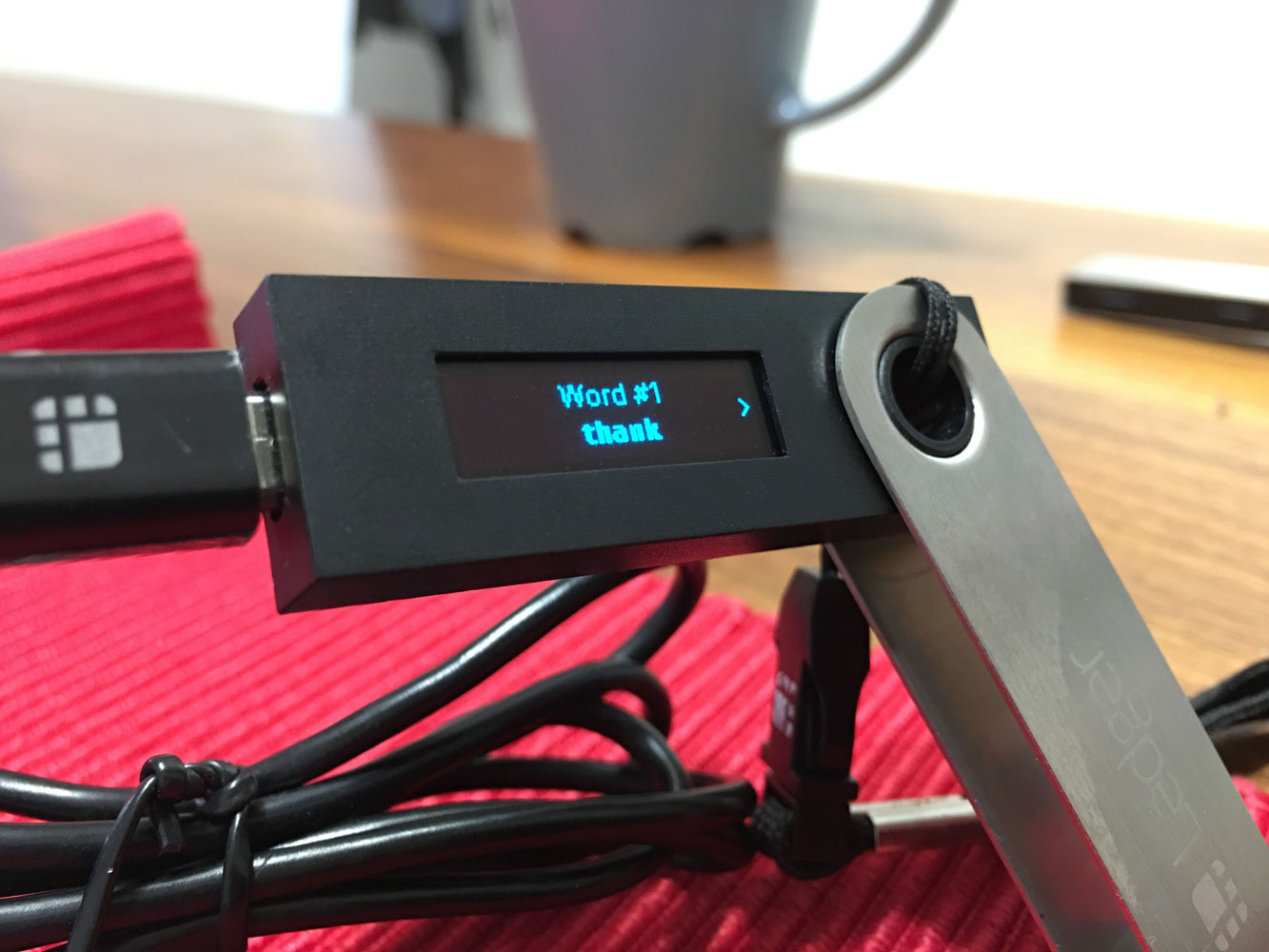
You are instructed to:
- Write the words down on paper
- Store them safely
- Never photograph or digitize them
The Ledger then requires a PIN code (4–8 digits).
If the PIN is entered incorrectly three times the device wipes itself completely.
What if the Ledger is lost or destroyed?
Nothing is lost.
You can restore all wallets and funds by entering the same 24 words (and passphrase, if used) into:
- Another Ledger device
- Any modern wallet that supports BIP-39
Examples today include:
- MetaMask
- Rabby
- Sparrow
- Electrum
Because:
- The same seed always produces the same keys
- The blockchain recognizes ownership by keys, not devices
Plausible deniability
Now let’s revisit the passphrase.
On a Ledger:
- The device unlocks using a PIN
- Each PIN can be linked to a different passphrase
- Each passphrase generates an entirely separate wallet set
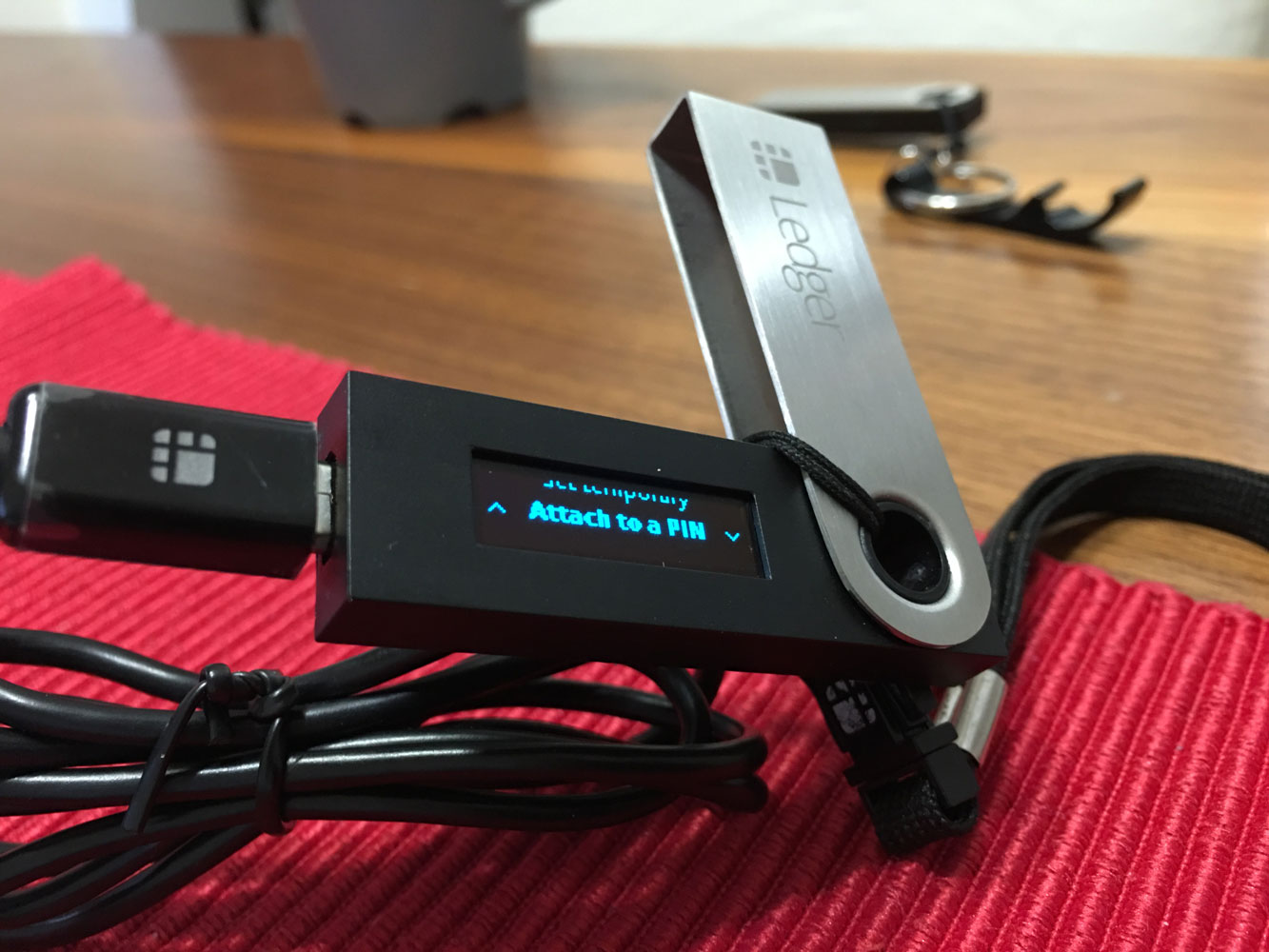
This allows a powerful security feature:
- One PIN → real funds
- Another PIN → decoy wallets
Because every passphrase is valid, there’s no way for an attacker to know whether they’ve been given the “real” one.
For realism, users often place small amounts of funds in decoy wallets.
Can someone guess your 24 words?
Short answer: no.
Long answer:
- A 24-word seed represents 2²⁵⁶ possibilities
- That’s roughly:
115,792,089,237,316,195,423,570,985,008,687,907,853,269,984,665,640,564,039,457,584,007,913,129,639,936
Even with a fictional computer guessing 100 trillion combinations per second, it would take ~3.6 × 10⁷⁶ years.
What if someone knew all 24 words but not the order?
- That’s 24! (24 factorial)
- About 196 years with the same imaginary computer
Missing even one word multiplies the difficulty by 2048.
What to remember
A hardware wallet like the Ledger is one of the safest ways to store cryptocurrency because:
- Private keys never leave the device
- Transactions must be physically confirmed
- Malware on your computer cannot steal keys
- Loss of the device does not mean loss of funds
The only thing that truly matters is the 24-word recovery phrase. Protect it, store it offline, and never share it.
If you do that, your funds remain secure regardless of what happens to the device itself.